10 Most Beautiful Buildings in Rome

Rome: Where Ancient Structures Meet Modern Marvels
Wherever you go in Rome, it is like turning the pages of an old history book, but with better weather, aesthetics, gelato stands, and a little less dust. This city is renowned for more than just pizza, pasta, and wines; it is a gorgeous architectural metropolis with structures ranging from Renaissance splendors to ancient wonders, each with a backstory as dramatic as the life of Julius Caesar. To conclude, these historic buildings will have you drooling over, regardless of whether you're a fan of beautiful frescoes, stunning domes, or just Roman ruins! Put on your most comfortable shoes and a camera with big storage, and get ready for an educational and breathtaking tour of the most famous buildings in Rome.
Pantheon
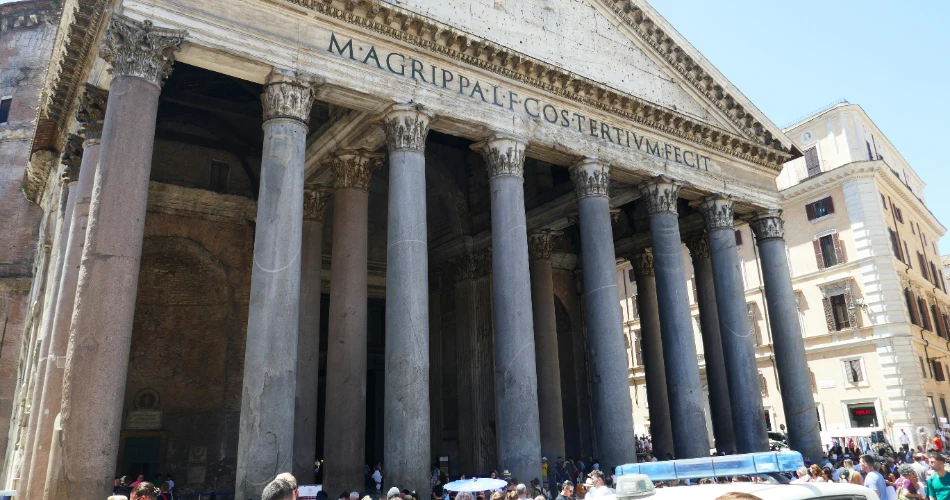
One of the best wonders of ancient Rome architecture! The Roman Pantheon was first constructed in 27 BC by Marcus Agrippa as a temple dedicated to all the gods, probably in remembrance of the powerful Gens Julia, which included Augustus and Julius Caesar. This building is known for its enormous dome, which was the biggest in antiquity and is still among the biggest concrete domes. It also features the well-known "oculus," which is said to represent a connection to the divine. Between 118 and 125 CE, Emperor Hadrian restored it, and in 609 CE, it was later transformed into the Catholic church that is currently known as Santa Maria ad Martyres.
Colosseum
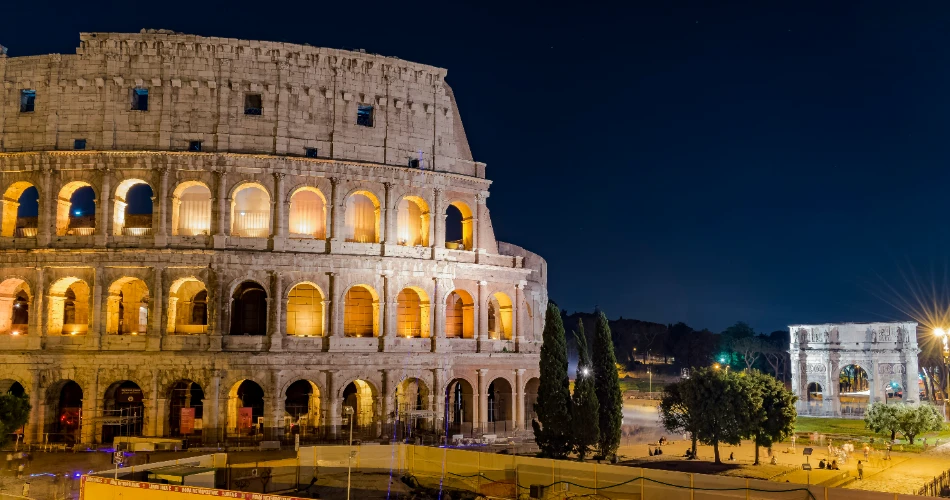
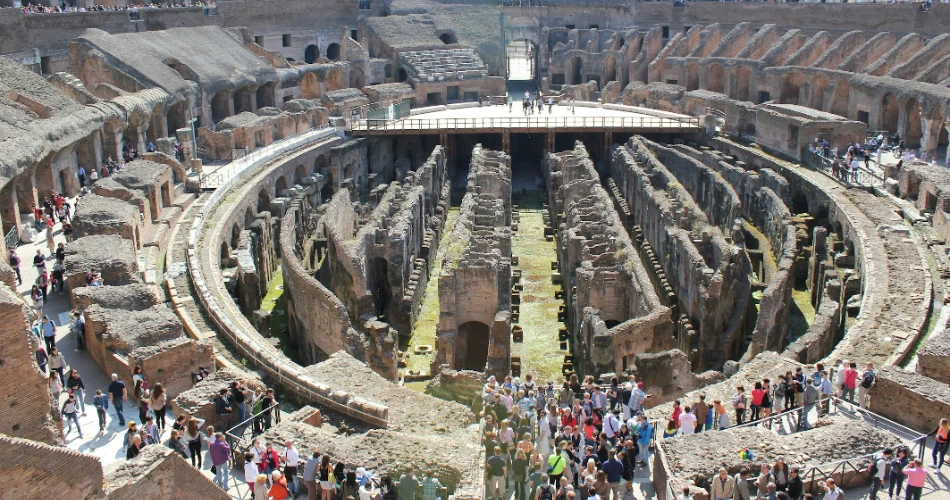
Say hello to the famous building where front-row seats meant dodging the swords of stray gladiators! The Colosseum was built between 70 and 81 CE and could accommodate around 50,000 spectators. It was constructed under the rule of Titus Flavius Vespasianus. At this arena, warriors fought each other, and intriguingly, wild animals were also part of the spectacle! It is open from around 8:30 am to 7:15 pm every day, and in winter it gets closed at 4:30 sharp, so plan your visit accordingly.
Castel Sant’Angelo
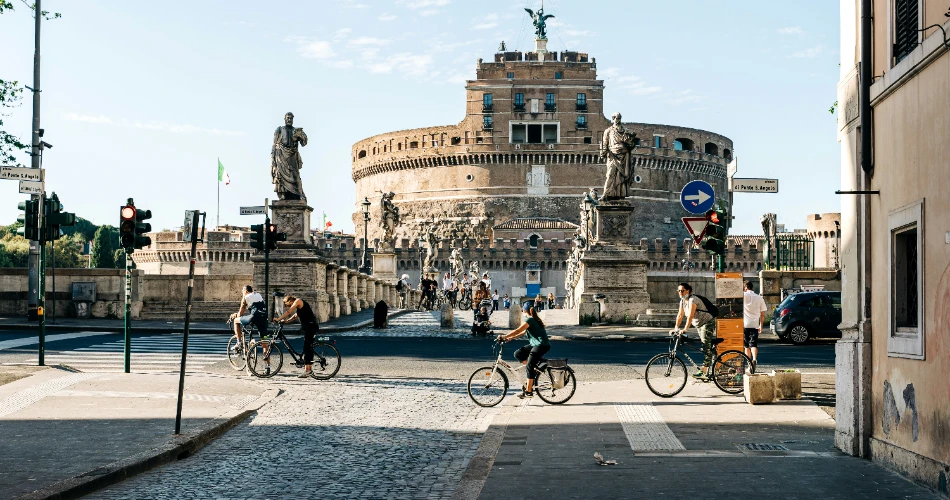
Originally constructed as Emperor Hadrian's mausoleum in 139 AD, Castel Sant'Angelo has served a variety of purposes over different time eras. It developed into a papal by the sixth century, and by the thirteenth century, it was a covert passageway linked to the Vatican, providing beleaguered popes with a means of easy escape. There is an impressive statue of Archangel Michael on its rooftop from the 18th century, which honors his alleged presence there during a deadly plague in 590 AD, which is also the reason the building is called after his name today.
St Peter’s Basilica
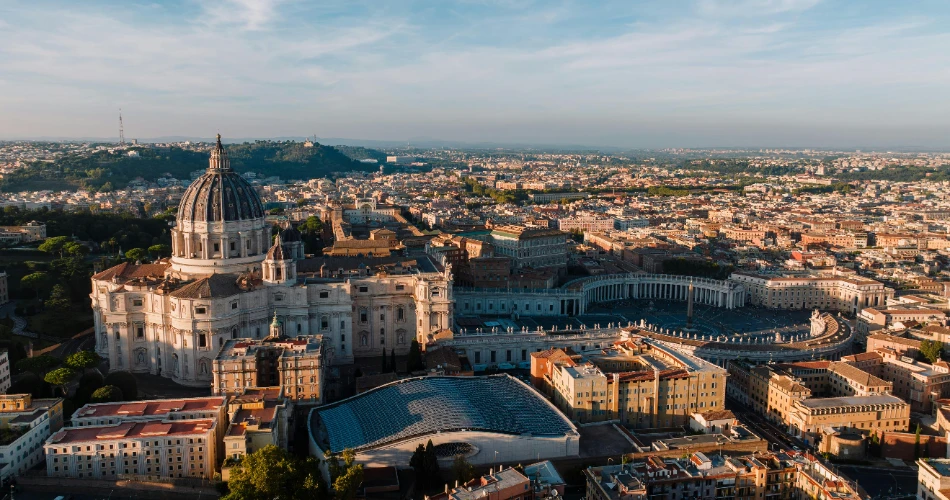
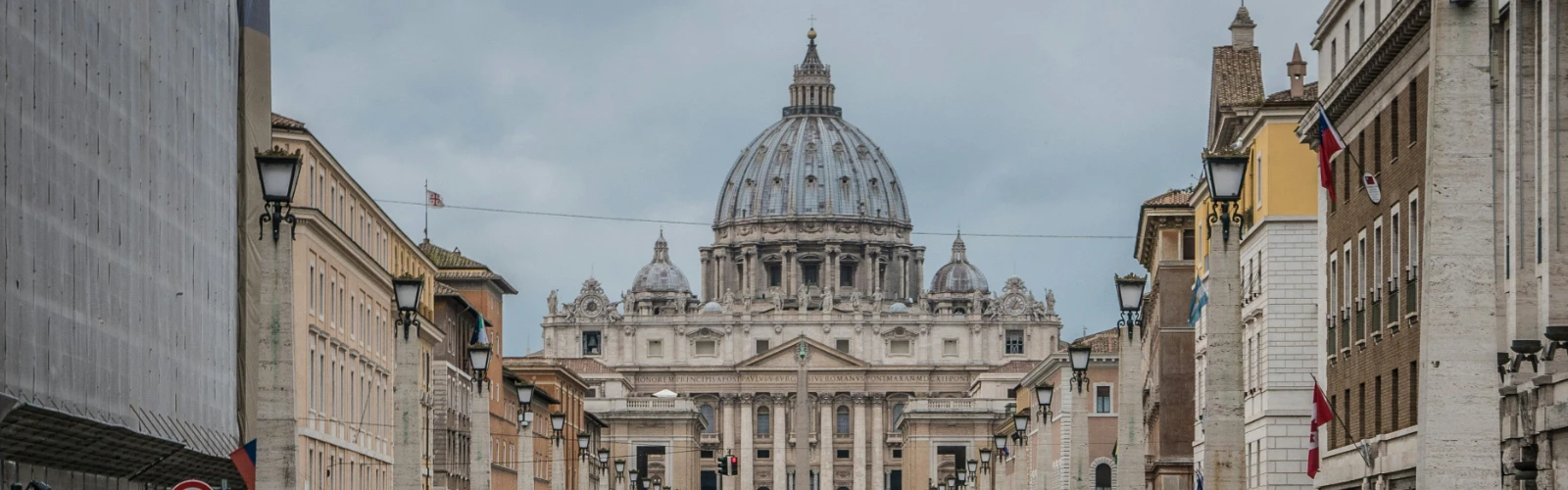
Touring St Peter’s Basilica is a must when listing things to do in Rome, especially the historic buildings! Although it is only 5 km from Rome in Vatican City, visiting this building is truly a once-in-a-lifetime experience. It has a huge importance in Christianity and is one of the largest churches in the world. The construction of this impressive building was completed over 100 years ago, and now it can easily accommodate up to 20,000 worshippers. Historic Art lovers are in a treat as the works of Michelangelo and Bernini are up for display.
Vatican Palaces
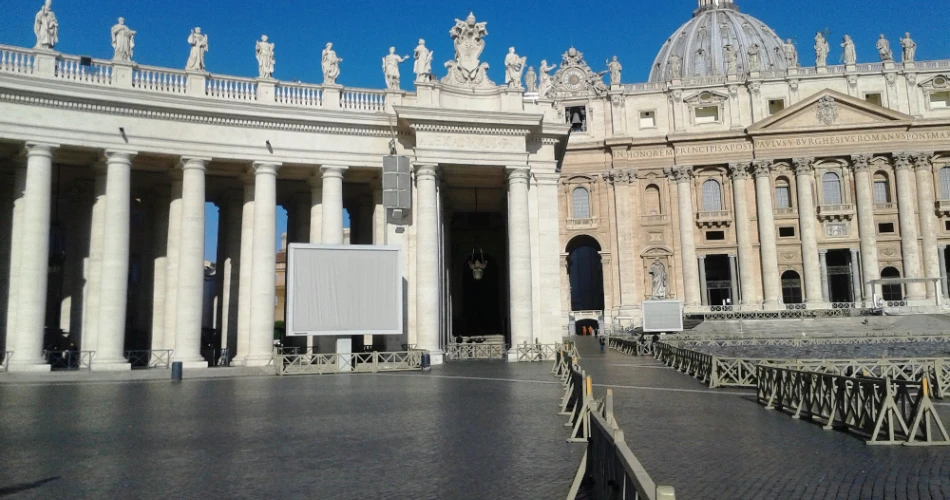
The famous Vatican Museums are housed at the Apostolic Palace in the Vatican, a significant landmark among all the palaces of Rome. In the ninth century, Pope Leo IV founded Leo's City, a walled fortress encircling St. Peter's Basilica. Additional structures by the 13th and 14th centuries served as the framework for the present-day Vatican Palaces. The famous buildings like the Sistine Chapel, Raphael's Rooms, and the charming Vatican Gardens are some of the Apostolic Palace's main attractions, making it a significant location for both art and history enthusiasts.
Teatro di Marcello
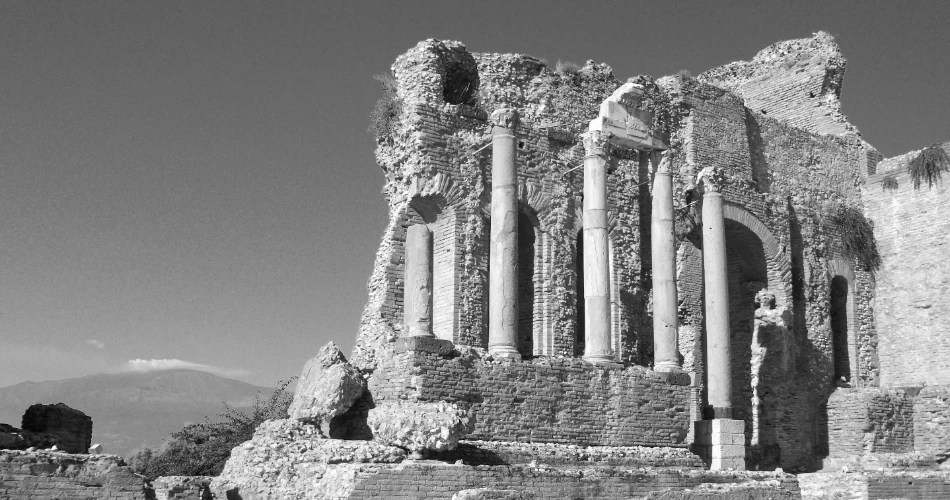
It's not wrong to call it the twin sister of the Colosseum due to its similar shape. Construction of the Teatro di Marcello began under Julius Caesar and was later completed by Augustus in 17 BC. The theater was named after Augustus's nephew, who tragically died from an illness in the Gulf of Naples in 27 BC. The Theater was once a venue for legislative gatherings and plays until the 4th century when Christianity halted performances. It later became just a material source for other buildings and a patrician stronghold. Although it can now only be viewed from the outside, it still remains a historic landmark in Rome.
Villa Farnesina
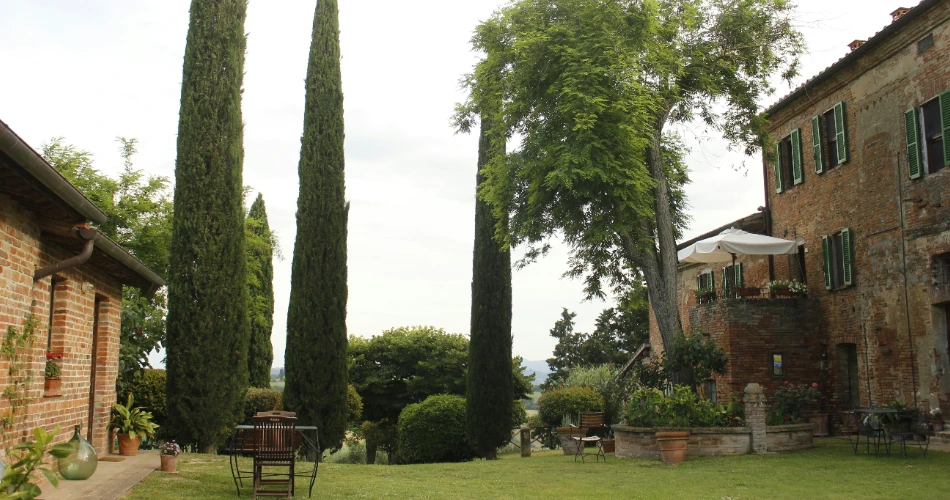
The award for Rome's most spectacular mansions from the 16th century goes to Villa Farnesina! It is a treasure of the High Renaissance, and the influential Farnese family commissioned it in 1517, and later Alessandro Farnese also called Pope Paul III added improvements to it. Renaissance artists like Michelangelo, Giacomo della Porta, and Jacopo Barozzi da Vignola are among those who contributed to its beauty. Inside visitors can see opulent interiors and antique furniture.
Ara Pacis
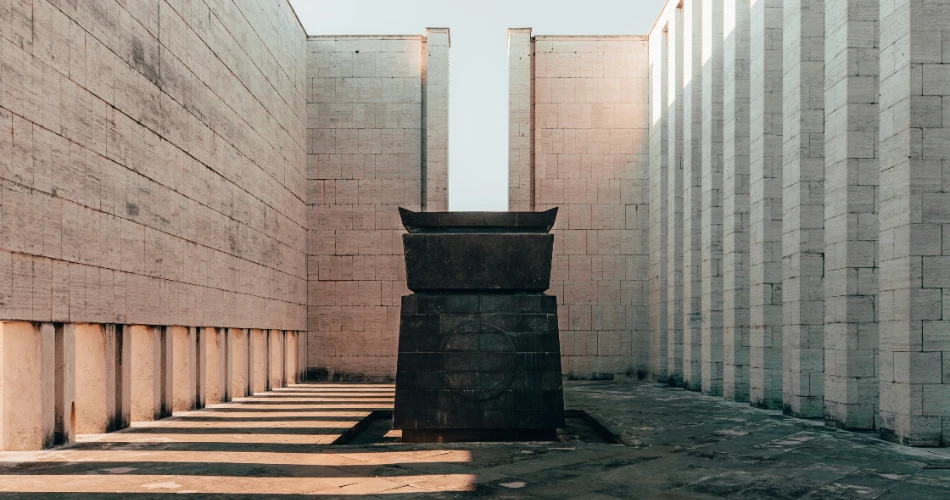
The Ara Pacis is a magnificent example of classical artwork. It honors Augustus' conquests in the north and his consolidation of power in his lifetime. The shrine was first constructed in northern Campo Marzio but was progressively submerged by the repeated floods of the Tiber and was forgotten for centuries. After undergoing a thorough repair and renovation in 1938, during the Fascist era, the Ara Pacis is now located in a contemporary pavilion on Via Ripetta, where it hosts a range of temporary exhibitions.
Vittoriano
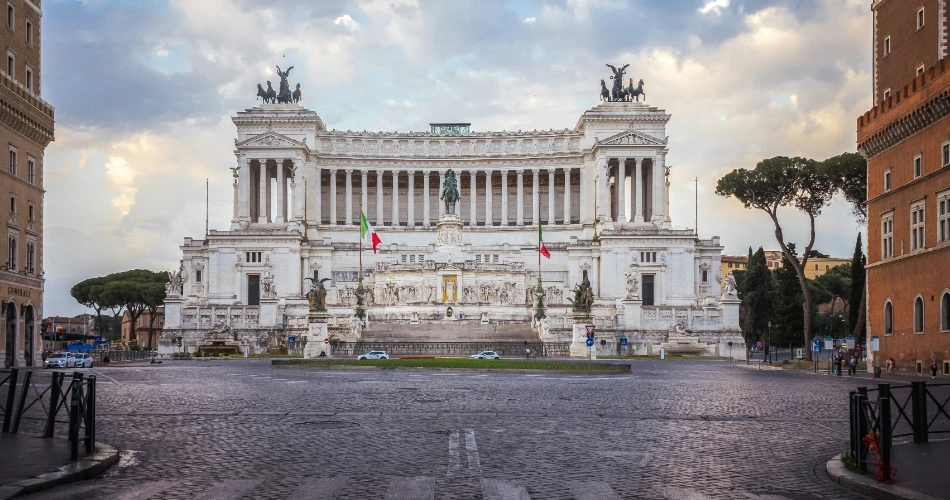
Vittorio Emanuele II, the first known king of Italy, also known as the Altar of the Fatherland is honored by the Vittoriano building. It contains the burial of the unidentified soldiers as well as the Museum of the Risorgimento, which documents the unification of Italy. The monument is famous for its unique appearance, but Romans have criticized it for conflicting with the surrounding architecture, giving it nicknames like "typewriter" and "wedding cake." Visitors can now stroll around the museum, take in the statues and fountains, and pause to pay respect to the soldier's tomb beneath the statue of Dea Roma.
Maxxi
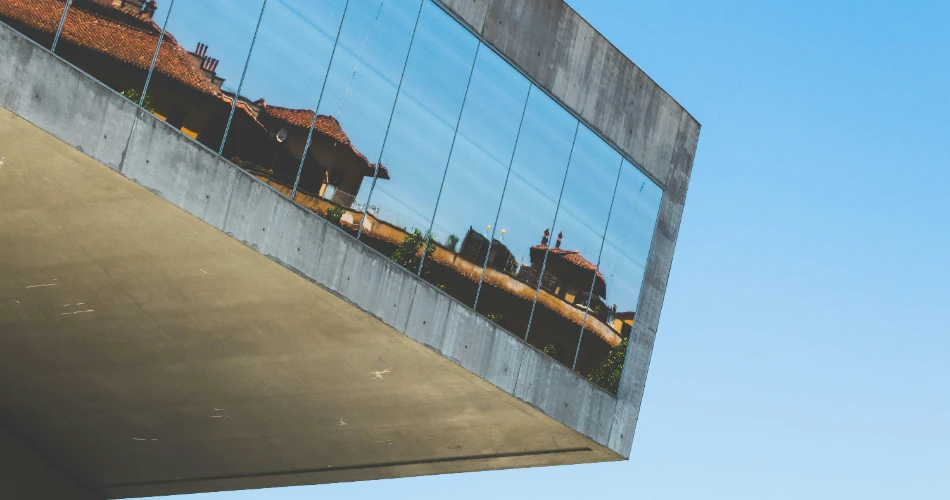
The MAXXI stands for, Museo Nazionale delle Arti del XXI Secolo. It is a striking example of modern architecture in Rome, located in the Flaminio neighborhood, and designed by the renowned British-Iraqi architect Zaha Hadid. This award-winning structure was created as a home for Italy’s modern art and architecture. Visitors can explore not only its impressive exhibits but also the building itself, which has become one of the most famous and celebrated architectural landmarks in Rome, making it a must-see for art and architecture enthusiasts.
